
Packaging Machine Blog & Insights
Expert guides, maintenance advice & machinery innovations from XinTu Machinery Co., Ltd.
Automated Packaging Line Solutions
Learn how to optimize production efficiency with advanced VFFS and Doypack systems
Top French Fries Pasta Vertical Packing Machine Guide
Table of Contents
- What Is a French Fries Pasta Vertical Packing Machine?
- Machine Structure and Core Operating Principles
- Selecting Packaging Materials, Bag Styles, and Output Specifications
- Step-by-Step Packing Workflow and Machine Setup
- Maintenance, Safety, and Troubleshooting Essentials
- FAQS
- Conclusion
- Related Posts
Choosing the right packaging equipment can determine product quality, labor efficiency, and daily production stability. This guide examines the French Fried Chips Pasta Vertical Packing Machine for facilities handling varied dry foods. It focuses on practical decisions, not impressive specifications alone. A machine may advertise high speed, yet unstable weighing can create costly product giveaways. Operators should inspect sealing performance, film tracking, filling accuracy, and changeover time before purchase.
Real production is less tidy than brochures suggest. Dust gathers around forming collars, pasta shapes may bridge inside the hopper, and thin film can wrinkle during long runs. These details matter. Experienced technicians usually test the machine with the buyer’s actual chips, pasta, film, and target bag size. That trial can reveal problems that factory demonstrations hide. Reliable suppliers should provide documented specifications, food-contact material information, operating instructions, and responsive after-sales support. They should also explain cleaning access, spare-part availability, electrical requirements, and recommended maintenance intervals.
Small details matter most.
This article compares weighing systems, vertical forming methods, sealing structures, control interfaces, and production capacities. It also discusses hygiene practices and safe operation within applicable local requirements. Readers will learn how to assess the French Fried Chips Pasta Vertical Packing Machine against product shape, moisture sensitivity, packaging material, and expected output. Some recommendations may require adjustment. No machine performs perfectly in every environment. Careful testing, trained operators, and honest performance records remain more valuable than a polished sales promise.
What Is a French Fries Pasta Vertical Packing Machine?
Top French Fries Pasta Vertical Packing Machine Guide
What Is a French Fries Pasta Vertical Packing Machine?
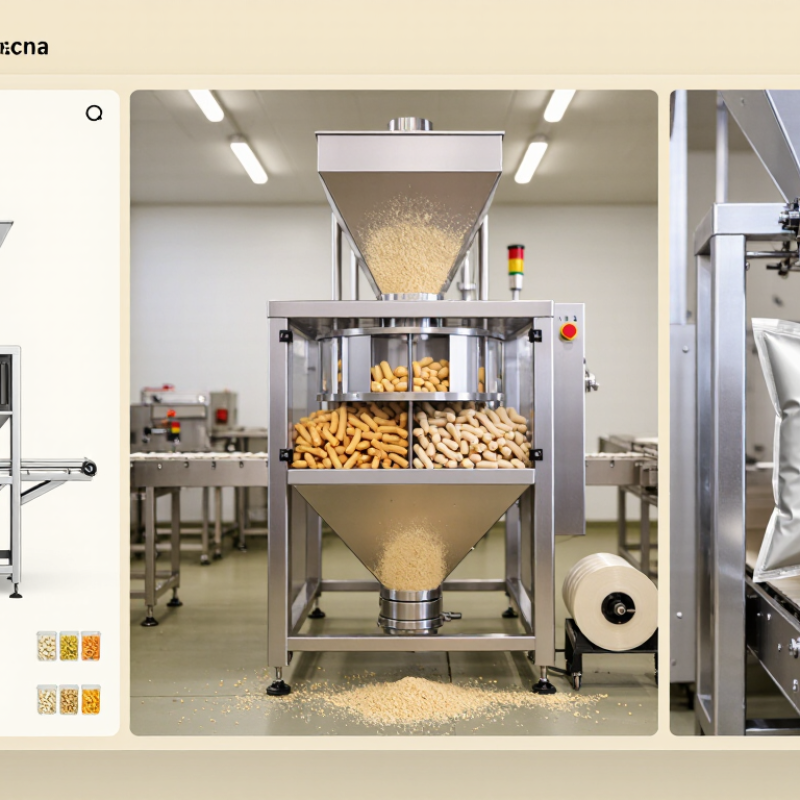
A French fries pasta vertical packing machine is an automated system for weighing, bag forming, filling, and sealing dry or frozen foods. It usually combines a multihead weigher, vertical film former, heat sealer, and date coder. The product drops through a central tube, while packaging film forms a pouch around it.
The machine handles irregular shapes differently. Frozen fries may bridge inside the weighing system. Pasta can break during fast discharge. Operators therefore adjust vibration, drop height, sealing temperature, and film tension. Small details matter. A poorly aligned seal wastes product.
FAOSTAT reported global potato production at about 374 million tonnes in 2022, showing the scale of raw material demand. Meanwhile, the PMMI 2024 State of the Industry report identifies labor shortages and automation as major packaging investment factors. These findings support vertical packing, but they do not guarantee better performance. Product moisture, bag size, and factory temperature still affect results.
For a practical evaluation, request tested output using your actual fries or pasta. Check seal strength, weight variation, film waste, and cleaning time. A quoted speed may look impressive. It may not match real production. Hygienic stainless-steel contact parts, accessible conveyors, and simple control settings also improve daily reliability. The right machine is not always the fastest one.
Machine Structure and Core Operating Principles
Top French Fries Pasta Vertical Packing Machine Guide
A vertical packing machine combines a product hopper, dosing unit, film former, sealing system, cutter, and control panel. The hopper stores French fries pasta before measured discharge. Its smooth interior reduces product buildup and cleaning time. The dosing unit controls volume or weight. Accuracy depends on product shape, moisture, and seasoning dust.
The film roll unwinds through guide rollers and wraps around a forming collar. The collar creates a vertical tube. Product drops through this tube after the dosing cycle finishes. Vertical sealing closes the back seam, while horizontal jaws create the top and bottom seals. The cutter separates each finished bag. Sensors monitor film position, jaw temperature, and registration marks. The controller links these actions into repeated cycles. Timing matters greatly. A slight delay can cause weak seals or crushed pieces. In practice, operators should check seal pressure and temperature during production, not only during setup. One overlooked detail can affect many bags.
Tips: Keep the hopper moderately filled for stable feeding. Test several sample bags before full operation. Inspect seals under bright light and gently pull them by hand. Clean seasoning residue from contact areas after each shift. Review rejected bags, because they often reveal poor timing or uneven dosing. No setting stays perfect forever. Product batches change, and the machine may need small adjustments. One more check helps.
Selecting Packaging Materials, Bag Styles, and Output Specifications
Top French Fries Pasta Vertical Packing Machine Guide
Selecting packaging materials begins with the product’s moisture, shape, and handling conditions. French fries need strong moisture and oxygen protection to preserve crispness. Pasta usually requires a reliable moisture barrier, especially in humid storage areas. Laminated food-grade films often provide better sealing and protection than single-layer films. Clear film improves product visibility, but it may offer weaker light protection. This trade-off needs testing. Film thickness, seal strength, and machinability matter more than appearance. Food-contact documentation should be checked before purchase. In practice, a film that runs smoothly at low speed may wrinkle at the target speed.
Bag style affects shelf presentation, stability, and material usage. Pillow bags suit many standard portions and support efficient production. Gusseted bags can stand more firmly on shelves and hold larger volumes. The machine’s output specification should include bags per minute, filling range, film width, and weighing accuracy. Do not rely only on the advertised maximum speed. Product shape, feeding consistency, and sealing time can reduce actual output. A target of 30 packs per minute may deliver 24 during normal operation. That difference should be included in planning.
Tips: Test real fries and pasta samples before final selection. Check seal strength, leakage, wrinkles, and weight variation. Measure the finished bag carefully. Ask for trial records, not only performance claims. Small inconsistencies matter. Review them before approval.
Step-by-Step Packing Workflow and Machine Setup
Top French Fries Pasta Vertical Packing Machine Guide
Step-by-Step Packing Workflow and Machine Setup
Before setup, inspect the vertical packing machine, film path, hopper, sealing jaws, and discharge chute. Remove dust and confirm every food-contact surface is clean and dry. French fries pasta can break easily, so keep transfer heights low and avoid sharp drops. A gentle vibration setting usually protects the product better than maximum speed.
Load the film roll with the printed side facing correctly, then guide it through the forming collar and tracking rollers. Adjust the forming tube to match the bag width. Set the dosing system for the target weight, and test several empty cycles. The product should fall centrally, without touching the sealing area. Check the vertical seal for wrinkles. Small wrinkles can cause leaks.
Run a short batch at low speed. Measure the actual bag weight, seal strength, and product damage rate. Then adjust the auger, scale, or timing in small steps. Heat settings depend on film structure, thickness, and room conditions. Do not copy values from another material. That shortcut often creates weak seals. In practice, operators may overlook static electricity around dry pasta. A clean grounding path and controlled air flow can help. The setup is not perfect on the first attempt. Record each change, including temperature, speed, fill weight, and rejected bags, so the next adjustment is based on evidence rather than guesswork.
Top French Fries Pasta Vertical Packing Machine Guide
Reference packing workflow and setup sequence. The cycle-time values represent practical planning targets for a single vertical packing line and should be verified during commissioning.
The complete workflow is designed around product feeding, accurate weighing, film forming, heat sealing, coding, and finished-bag discharge.
Maintenance, Safety, and Troubleshooting Essentials
Top French Fries Pasta Vertical Packing Machine Guide
Maintenance and safety begin before the first bag enters the forming tube. Isolate electrical, pneumatic, and thermal energy before opening guards. OSHA’s FY2023 enforcement data recorded 2,554 lockout/tagout citations and 1,644 machine-guarding citations. Those numbers make routine isolation difficult to ignore.
Check seal jaws after cooling. Remove starch dust, crumbs, and film scraps from sensors and conveyors. A soft brush works better than forcing debris into bearings. Record seal temperature, film tension, and rejected bags during every shift.
Check seal jaws after cooling. Remove starch dust, crumbs, and film scraps from sensors and conveyors.
Keep it simple. Inspect emergency stops, interlocks, guarding, and air leaks weekly. NFPA 70B identifies electrical maintenance as a structured reliability activity, not an occasional repair.
Use a calibrated thermometer to compare displayed seal temperature with the actual jaw surface. A mismatch can create weak seals or scorched film. Never bypass a sensor to increase output. That shortcut may save minutes, but it hides a serious fault.
Troubleshooting should follow evidence.
If bags wrinkle, check film alignment, tension, and forming-collar cleanliness. If seals open, inspect jaw pressure, dwell time, contamination, and temperature. If cutting becomes inconsistent, examine blade wear and registration marks.
FAO reports that 13.2% of food is lost globally between harvest and retail, so avoidable packaging failures deserve attention.
Still, maintenance logs are not perfect. Operators may record symptoms, not causes. Review repeated faults with the technician, and revise the checklist when real production exposes its gaps.
FAQS
It includes a hopper, dosing unit, film former, sealing jaws, cutter, sensors, and control panel. The hopper stores the product. The dosing unit measures each portion.
Film unwinds from a roll and passes through guide rollers. A forming collar shapes it into a vertical tube. Vertical and horizontal seals then close the package.
Keep the hopper moderately filled. Set the dosing unit for the target weight. Test several bags because shape, moisture, and seasoning dust can change results.
Inspect the film path, hopper, sealing jaws, chute, and guards. Confirm every food-contact surface is clean and dry. Run empty cycles before adding product.
Keep transfer heights low. Use gentle vibration instead of maximum speed. Sharp drops may break pieces or create uneven filling.
Check jaw pressure, sealing temperature, dwell time, and contamination. Inspect for crumbs or seasoning near the seal. A displayed temperature may not match the jaw surface.
Film misalignment, uneven tension, or a dirty forming collar can create wrinkles. Check the film path under bright light. Small wrinkles may become leaks.
Isolate electrical, pneumatic, and thermal energy before opening guards. Check emergency stops, interlocks, guarding, and air leaks regularly. Never bypass a sensor.
Record film tension, seal temperature, speed, fill weight, and rejected bags. Review the actual bags, not only the machine display. The checklist may miss the real cause.
Rarely. Run a short, low-speed batch and adjust settings gradually. Record each change, because guessing often creates another problem.
Conclusion
A French Fried Chips Pasta Vertical Packing Machine is designed to automatically measure, fill, seal, and cut packages of products such as French fries, pasta, and similar dry foods. Its main structure generally includes a product hopper, weighing or volumetric dosing system, forming collar, film transport unit, vertical sealing components, cutting device, and control panel. During operation, packaging film is shaped into a tube, the measured product is released into the bag, and the machine forms secure longitudinal and horizontal seals before cutting individual packs.
Choosing the right film, bag style, and production capacity is essential for stable performance and attractive packaging. Operators should set the filling weight, sealing temperature, film length, and speed according to the product and material characteristics. Routine cleaning, inspection of sealing parts, lubrication where required, and electrical safety checks help maintain reliable operation. Common issues such as inaccurate filling, weak seals, film deviation, or feeding interruptions can often be resolved by adjusting settings, checking sensors, and removing product residue.
Blog Tags: