
Packaging Machine Blog & Insights
Expert guides, maintenance advice & machinery innovations from XinTu Machinery Co., Ltd.
Automated Packaging Line Solutions
Learn how to optimize production efficiency with advanced VFFS and Doypack systems
Top 10 Inclined VFFS Packaging Machines for Fragile Items
Table of Contents
- How Inclined VFFS Machines Protect Fragile Products
- Key Criteria for Evaluating Inclined VFFS Packaging Machines
- Top 10 Inclined VFFS Machines for Fragile Item Packaging
- Performance Comparison: Speed, Accuracy, and Product Protection
- Choosing the Right Inclined VFFS Machine for Your Application
- FAQS
- Conclusion
- Related Posts
Fragile products expose weaknesses that ordinary packaging lines can hide. A tipped glass jar, bruised peach, or crushed pastry can turn small handling errors into costly waste. The right Inclined VFFS Packaging Machine for Fragile Items reduces drop height and supports gentler product movement. Yet machine choice involves more than a polished product video. Real conditions matter.
This guide examines the Top 10 Inclined VFFS Packaging Machines for Fragile Items through practical performance criteria. We consider incline angle, film control, sealing accuracy, dosing flexibility, sanitation access, and operator adjustment. We also look at how each machine handles irregular shapes, delicate surfaces, and changing production speeds. These details often decide whether a line performs smoothly during an eight-hour shift. Not every machine suits every product. That is worth remembering.
Our evaluation approach reflects common factory checks, including trial runs, seal inspection, weighing, and drop testing. Manufacturers’ specifications provide a useful starting point, but verified samples tell a clearer story. A machine may promise high speed, yet gentle handling can require slower settings or special conveyors. We therefore balance output with product protection, maintenance practicality, and long-term reliability. Some comparisons remain imperfect because product texture and packaging film vary widely. Still, careful testing can expose meaningful differences before investment decisions are made. The following selection helps buyers ask better questions and choose equipment with evidence, not assumptions.
How Inclined VFFS Machines Protect Fragile Products
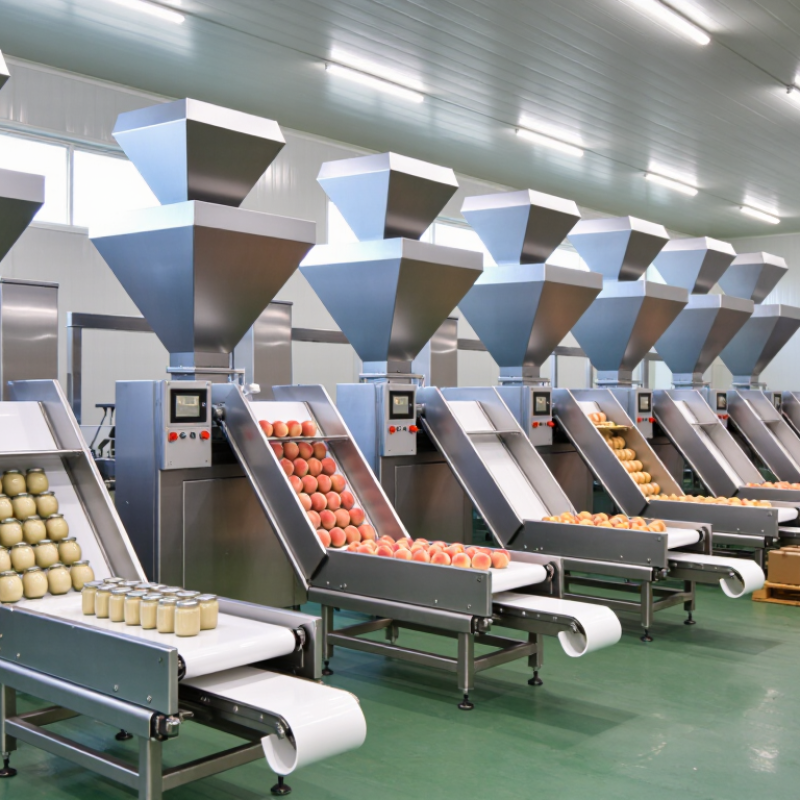
Inclined VFFS machines protect fragile products by reducing sudden drops during filling. The angled forming path lets items slide gently into each pouch. This matters for biscuits, crackers, snack clusters, and other breakable goods.
When a pouch moves downward, gravity supports a steadier product flow. The machine can also shorten the distance between the product outlet and the package. Less impact often means fewer cracks, crumbs, and crushed corners. During line trials, operators should adjust speed, pouch length, and filling timing together. A controlled drop test can reveal damage that normal inspection misses.
Gentler handling matters.
Film tension also affects product safety. Excessive pulling may squeeze delicate pieces before sealing. Correct jaw pressure helps create a secure seal without crushing the pouch contents. Sensors can detect poor alignment, incomplete filling, or irregular product flow. These checks improve consistency, but they do not replace practical observation. I have seen a machine perform well at low speed, then damage products after a faster setting was introduced.
Small changes matter.
The best inclined VFFS setup depends on product shape, weight, coating, and moisture level. A steeper angle is not always safer. Some products slide smoothly, while others tumble or stick. Testing with real products remains essential. Records of breakage rates, seal quality, and downtime support more reliable decisions. Performance should be reviewed regularly, because packaging conditions can change with temperature, film batches, and operator adjustments.
Key Criteria for Evaluating Inclined VFFS Packaging Machines
Top 10 Inclined VFFS Packaging Machines for Fragile Items
Key Criteria for Evaluating Inclined VFFS Packaging Machines
When evaluating an inclined VFFS machine, product control matters more than maximum speed. Fragile items should slide gently, not drop sharply into the bag. Check the incline angle, hopper depth, belt design, and discharge height. A short transfer path reduces impact and surface damage. According to Smithers’ The Future of Flexible Packaging to 2028, the global flexible packaging market is projected to exceed 200 billion US dollars by 2028. This growth increases pressure to improve both protection and production efficiency.
Seal quality deserves close inspection. Ask for tests using the actual product, film structure, and filling temperature. Important measurements include seal strength, leakage rate, jaw alignment, and temperature stability. PMMI reports that automation investment remains a major response to labor shortages in packaging operations. However, automation cannot correct poor product handling. Sometimes, slower is better. Evaluate the machine’s weighment accuracy, vibration control, cleaning access, and changeover time. These factors affect consistency during long shifts.
Data logging can strengthen reliability. Record rejected bags, damaged pieces, film waste, and unplanned stops. FAT and site trials should include fragile products at different moisture and size levels. A machine may perform well with dry samples, then struggle with oily or irregular items. That weakness matters. Packaging teams should also review guarding, emergency controls, and applicable machinery standards before purchase. The best specification is rarely the fastest one; it is the one that protects the product repeatedly under real operating conditions.
Top 10 Inclined VFFS Packaging Machines for Fragile Items
Key Criteria for Evaluating Inclined VFFS Packaging Machines
The chart presents a practical 100-point evaluation framework for fragile products. Higher percentages indicate greater importance when comparing inclined VFFS equipment, with emphasis on controlled product handling, reduced drop height, sealing consistency, hygienic design, and reliable operation.
Top 10 Inclined VFFS Machines for Fragile Item Packaging
When comparing the top 10 inclined VFFS machines for fragile item packaging, product handling matters most. An inclined forming tube reduces sudden drops during filling. This helps protect biscuits, chips, baked goods, and delicate produce from cracking or bruising. A practical machine should offer adjustable incline angles, controlled film tension, and gentle product release. Servo-driven feeding can improve timing and reduce impact. However, speed alone should not decide the purchase.
In production trials, operators should inspect broken pieces, seal quality, and package alignment. Small changes in vibration can create large damage rates. A machine with a soft landing conveyor often performs better than one with a higher advertised speed. Cleanability also matters, especially when crumbs collect near the forming area. I once saw an apparently efficient setup waste material because its drop height was overlooked. That detail deserved more attention.
Tips: Run sample products before choosing a machine. Test several speeds, film types, and filling weights. Measure breakage after every trial. Keep the incline adjustable for different products. Train operators to check seals and feeding rhythm frequently. No setting is perfect. Product shape, moisture, and temperature may change performance during daily operation. Record those changes before making adjustments.
| Rank | Machine Configuration | Recommended Fragile Products | Typical Bag Styles | Typical Film Width | Typical Output Range | Product Handling Features | Sealing Configuration | Recommended Weighing System | Typical Changeover Time | Best-Fit Packaging Application |
|---|---|---|---|---|---|---|---|---|---|---|
| 1 | Inclined VFFS with Multihead Weigher | Potato chips, tortilla chips, puffed snacks, and light extruded foods | Pillow bag, gusseted bag | 250–650 mm | 30–70 bags/min | Inclined discharge, short product drop, cushioned collection conveyor | Heat-sealed center and end seals | 10–14 head multihead weigher | Approximately 20–40 minutes | High-speed snack packaging where product breakage and drop height must be minimized |
| 2 | Inclined VFFS with Linear Weigher | Biscuits, cookies, crackers, and fragile bakery pieces | Pillow bag, block-bottom bag | 250–600 mm | 20–45 bags/min | Controlled incline, gentle transfer belt, adjustable product-contact surfaces | Heat-sealed center and end seals | 2–4 head linear weigher | Approximately 15–30 minutes | Medium-speed bakery packaging requiring controlled feeding and reduced product impact |
| 3 | Inclined VFFS with Volumetric Cup Filler | Fragile cereal flakes, granola clusters, and lightweight dry foods | Pillow bag, gusseted bag | 250–650 mm | 25–55 bags/min | Low-angle product delivery, slow-start discharge, anti-static product-contact parts | Heat-sealed center and end seals | Adjustable volumetric cup filler | Approximately 15–25 minutes | Products with relatively uniform bulk density and a strong need for gentle filling |
| 4 | Inclined VFFS with Servo Auger Filler | Delicate powders, powdered drink mixes, and fine food ingredients | Pillow bag, stick-style bag, gusseted bag | 180–600 mm | 20–50 bags/min | Enclosed powder path, minimized free-fall distance, dust-control extraction option | Heat-sealed center and end seals | Servo-driven auger filler | Approximately 20–35 minutes | Powder packaging where controlled dosing and low dust generation are important |
| 5 | Inclined VFFS with Gentle Bucket Elevator | Whole nuts, coated nuts, dried fruit, and confectionery pieces | Pillow bag, gusseted bag, quad-seal bag | 250–700 mm | 20–50 bags/min | Large-radius buckets, soft-start drive, reduced transfer points, padded discharge chute | Heat-sealed center and end seals | Multihead weigher or combination weigher | Approximately 25–45 minutes | Irregular, impact-sensitive products that require gentle elevation before weighing |
| 6 | Inclined VFFS with Servo Film Pulling | Thin crackers, wafer pieces, snack pellets, and brittle dry foods | Pillow bag, gusseted bag | 250–650 mm | 25–60 bags/min | Synchronized film movement, stable bag forming, programmable acceleration and deceleration | Servo-controlled heat sealing | Multihead or linear weigher | Approximately 20–35 minutes | Fragile products packaged in laminated films where accurate bag length and seal control are required |
| 7 | Inclined VFFS with Nitrogen-Flushing Capability | Potato chips, roasted nuts, coffee products, and oxidation-sensitive snacks | Pillow bag, gusseted bag | 250–700 mm | 20–55 bags/min | Inclined filling, controlled gas injection, reduced product movement during final sealing | Heat-sealed center and end seals with gas-flush option | Multihead weigher or auger filler | Approximately 25–45 minutes | Fragile products needing both impact reduction and an extended shelf-life atmosphere |
| 8 | Inclined VFFS with Servo Jaw Sealing | Delicate biscuits, filled cookies, chocolate pieces, and bakery snacks | Pillow bag, gusseted bag | 200–600 mm | 20–50 bags/min | Accurate bag positioning, programmable jaw timing, low-vibration product discharge | Servo-driven intermittent or continuous heat sealing | Linear weigher or multihead weigher | Approximately 20–40 minutes | Applications requiring consistent seal quality and precise control of fragile products |
| 9 | Compact Inclined VFFS for Small Batches | Sample packs, specialty snacks, small confectionery items, and premium dry foods | Small pillow bag, three-side seal bag, gusseted bag | 180–450 mm | 10–30 bags/min | Compact inclined conveyor, short product route, tool-free contact-part access | Heat-sealed center and end seals | Compact multihead or linear weigher | Approximately 10–25 minutes | Frequent product changes, limited floor space, and lower-volume fragile-item production |
| 10 | Inclined VFFS with Zipper-Bag Option | Premium granola, delicate snack mixes, dried fruit, and fragile specialty foods | Gusseted bag, quad-seal bag, zipper-reclose bag | 250–700 mm | 15–45 bags/min | Inclined product loading, controlled bag opening, reduced drop height, reclose feature | Heat-sealed end seals with pre-applied zipper film option | Multihead weigher or linear weigher | Approximately 30–50 minutes | Premium packaging where product protection, resealability, and presentation are priorities |
Performance Comparison: Speed, Accuracy, and Product Protection
Top 10 Inclined VFFS Packaging Machines for Fragile Items
Inclined VFFS machines trade maximum speed for gentler product handling. Their elevated forming area reduces sudden drops, rolling, and impact during bag filling. For delicate snacks, baked pieces, and irregular produce, this layout can limit visible breakage. Typical operating speeds range from 30 to 70 bags per minute, depending on product shape and package size. Standard systems may run faster, but speed alone is not useful. A broken product is still a failed package.
Accuracy depends on the weighing method, film control, and product flow. Multihead weighing systems often target tolerances near ±1 gram for suitable products, although sticky or fragile items can perform worse. Servo-driven sealing improves repeatability and reduces crushed edges. PMMI’s 2024 State of the Industry report valued U.S. packaging machinery shipments at approximately 10.2 billion dollars in 2023, showing strong investment in automated equipment. Smithers also forecasts continued growth in flexible packaging through 2028, increasing pressure for efficient, reliable lines. These figures provide market context, not a guarantee of machine performance.
In factory trials, I would measure speed, giveaway, seal strength, and breakage together. Product protection needs evidence. Drop tests and vibration tests should follow recognized procedures such as ASTM D4169. A faster machine may create more fines inside the bag. That trade-off is easy to underestimate. Operators should test real product, real film, and realistic moisture levels before selecting from the top ten. Perfect specifications on paper can disappoint.
Choosing the Right Inclined VFFS Machine for Your Application
Choosing the right inclined VFFS machine for fragile items requires more than comparing output speeds. The best choice depends on product shape, density, breakage risk, and filling behavior. Inclined machine frames reduce product drop height, helping protect cookies, crackers, baked snacks, and delicate frozen foods.
Check how gently the product enters the forming tube. A smooth, angled feed path matters. So does the distance between the weighing system and the bag. Ask for trial runs using your real product, not sample material. Observe broken pieces, dust buildup, seal contamination, and bag alignment during repeated cycles.
Speed is useful, but control is better. Look for adjustable motion profiles, accurate weighing, stable film tracking, and sealing jaws suited to your packaging material. Stainless steel construction supports frequent cleaning, while accessible components simplify maintenance. In practical testing, run at least 100 bags after the machine reaches normal temperature. A setting that works for ten bags may fail after an hour.
Consider the available floor space and the operator’s daily routine. A compact machine can still create awkward access around the feeder. That detail is easy to miss. I would also question any ranking that relies only on advertised speed. Fragile products often need slower acceleration and gentler discharge. The right inclined VFFS machine should protect product quality while maintaining consistent seals, reliable weights, and manageable operating costs.
FAQS
Its angled forming path reduces sudden drops. Products slide gently into each pouch. Less impact can mean fewer cracks and crumbs.
Biscuits, crackers, snack clusters, baked goods, and delicate produce may benefit. Their edges can break during ordinary vertical drops.
No. A steeper angle is not always safer. Some products slide smoothly, while others tumble or stick.
Adjust speed, pouch length, and filling timing together. Test different film types and filling weights. Small changes matter.
Use a controlled drop test with real products. Measure breakage after every trial. Crushed corners may appear later.
Excessive tension may squeeze delicate pieces before sealing. Correct jaw pressure supports a secure seal without crushing the contents.
Adjustable incline angles and controlled product release are useful. Servo-driven feeding can improve timing. A soft landing conveyor may reduce impact.
No. Sensors can detect poor alignment, incomplete filling, and irregular flow. Operators still need to inspect seals and product damage.
Record breakage rates, seal quality, package alignment, and downtime. Note temperature, film batches, and operator adjustments.
Faster settings can disturb product timing and increase impact. I have seen low-speed success become damage at higher speed. That deserved more testing.
Conclusion
Selecting the right Inclined VFFS Packaging Machine for Fragile Items is essential for protecting delicate products while maintaining efficient production. Inclined designs support a gentler product flow by reducing drop heights, minimizing impact, and helping fragile goods enter the package with less movement. When evaluating these machines, manufacturers should consider sealing quality, filling accuracy, speed control, material compatibility, changeover time, cleaning access, and the ability to handle different product sizes and shapes.
This overview compares ten suitable machine configurations for fragile-item packaging and highlights their performance in speed, accuracy, product protection, and operational flexibility. While faster machines can improve output, the best choice must balance productivity with gentle handling and consistent package quality. By matching machine capacity, incline angle, weighing technology, film requirements, and control features to the application, businesses can select a reliable solution that reduces product damage, supports efficient packaging, and delivers stable results over long production cycles.
Blog Tags: