
XinTu Machinery Co., Ltd. – Packaging Machine Industry Blog
Technical Articles & Knowledge

Packaging Machine Blog & Insights

Expert guides, maintenance advice & machinery innovations from XinTu Machinery Co., Ltd.
XinTu Machinery Co., Ltd. – Doypack & VFFS Packaging Guides
Industry Expertise

Automated Packaging Line Solutions

Learn how to optimize production efficiency with advanced VFFS and Doypack systems

0%

Selecting a supplier for a Puffed Food Popcorn Packing Machine involves more than comparing quoted prices. Popcorn is light, irregular, and fragile. A small change in product drop height or seal temperature can mean more breakage, inconsistent bag weights, or leaky packs. Details matter.

PMMI’s 2024 State of the Industry report examines packaging-sector priorities, including automation and operational efficiency. Those priorities are relevant when assessing suppliers, but a report cannot verify a particular machine’s performance. Ask for product-specific test results. Check weighing accuracy, packaging speed, film compatibility, changeover time, and cleaning access. Then request a live trial using popcorn similar to yours. Watch the product travel from the multihead weigher into the forming tube. Does it crush? Do seals stay clean? Simple checks. They can reveal more than a polished brochure.

Quality-management expert W. Edwards Deming is widely associated with the principle, “Quality is everyone’s responsibility.” Applied here, quality depends on the complete line: weighing, filling, sealing, inspection, and operator training. This guide compares ten suppliers through that practical lens. It considers equipment capability, customization, service support, and evidence behind performance claims. Treat supplier rankings as a starting point, not a substitute for factory trials or reference checks. Data sheets are useful. Real product tests are better.
Top 10 Puffed Food Popcorn Packing Machine Suppliers

What Are Puffed Food and Popcorn Packing Machines?

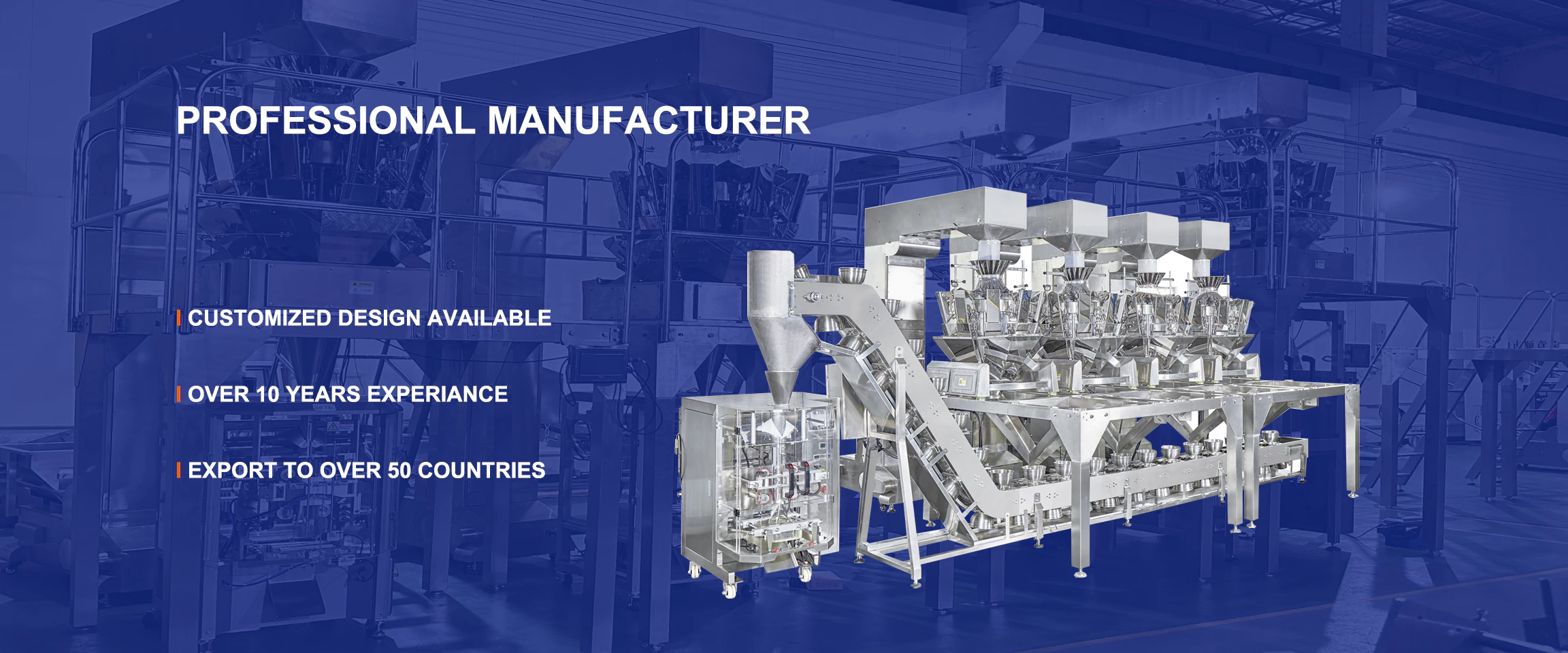
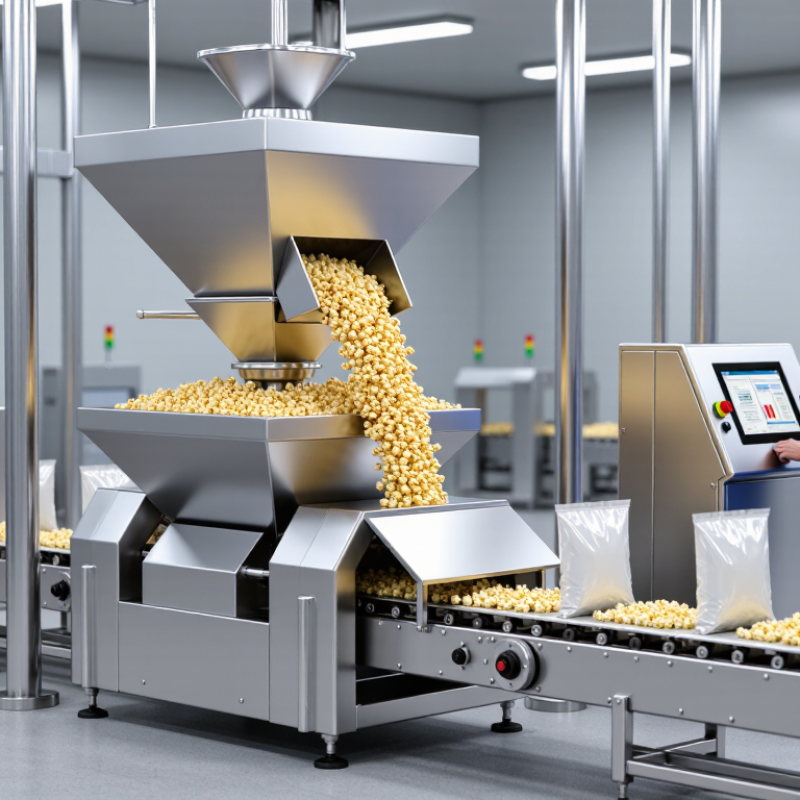
Puffed-food and popcorn packing machines measure, portion, and seal lightweight snacks after cooking or expansion. A typical line combines a product elevator, multihead weigher, vertical form-fill-seal machine, and date coder. The weigher must handle irregular pieces gently; excess drops can crush curls or break popcorn kernels. Film is formed into a pouch, filled, then sealed across the top and back. Simple in concept. Not simple in practice.

Many lines can add nitrogen flushing to lower oxygen inside the pack and help protect crispness. It is not a freshness guarantee: film barrier properties, seal quality, storage temperature, and moisture all matter. Operators check seal strength and net weight, while adjusting speed to match product flow. A bag that looks full may still contain too little product by weight.

FAO’s 2019 report, The State of Food and Agriculture, estimated that about 14% of food is lost between harvest and retail. That figure covers many food categories, not puffed snacks specifically, so it should not be read as a direct measure of packaging performance. Still, it underlines why handling and storage deserve attention. In real production, fragile pieces and variable product flow can make settings drift. That calls for routine checks, not blind trust in the machine.

How Are Popcorn Packing Machines Used in Production?

In a typical popcorn line, packing starts after kernels leave the popper and cool enough to limit trapped steam. A conveyor carries them toward a gentle elevator or multihead weigher, which portions each batch by target weight. The product needs careful handling. Excessive vibration can break delicate pieces, while uneven feeding may cause weight swings or empty pockets. Operators adjust gate openings, vibration, and drop height, then compare filled bags against a scale. Small changes matter. A vertical form-fill-seal machine forms film into a pouch, doses the popcorn, and closes the seams. Some lines flush packages with nitrogen to help preserve crispness, depending on the packaging design and production goals.

During production, staff inspect seals, check net weights at planned intervals, and confirm that printed lot details remain legible. A reject system may remove underweight or poorly sealed bags, but it cannot replace routine checks. Keep the product moving smoothly. Crumbs around feeders can affect dosing and add cleanup work. Dry contact surfaces, planned cleaning, and clear records support consistent operation. Line speed depends on kernel size, seasoning, pouch dimensions, and how easily the popcorn fractures. One detail worth reviewing: a setting that works during a short trial may drift over a full shift. Operators should sample bags and adjust cautiously, rather than treating the first successful run as proof.

What Criteria Help Evaluate Packing Machine Suppliers?

A reliable popcorn packing machine supplier should be judged by more than advertised speed. Ask for output data using products close to your own popcorn size, seasoning level, and bag format. A machine that runs quickly with plain kernels may behave differently when coated pieces leave oil on the film. Check sealing consistency, weight accuracy, and rejected-pack rates during a sustained test, not just a short demonstration. Small details matter. Can operators clear a jam without tools? Are contact surfaces easy to inspect and clean?

Tips: Request a sample run with your actual product and packaging film. Watch several changeovers, including adjustments to bag length and target weight. Ask for written service response times, spare-parts availability, and operator training details. Confirm which performance figures are measured and which are estimates.

Also assess whether the supplier can explain maintenance in practical terms. Clear schedules, labeled components, and accessible manuals help reduce avoidable downtime. Ask to see a sample inspection record or preventive-maintenance checklist. A polished demo is useful, but it cannot reveal every awkward adjustment. Leave room for judgment, and verify claims with test data and references from comparable production lines.

Top 10 Puffed Food Popcorn Packing Machine Suppliers

A useful Top 10 comparison of puffed food popcorn packing machine suppliers should look beyond catalog photos. The strongest candidates can explain how their equipment handles different popcorn sizes, seasoning levels, and bag weights. Ask for a test using your own product. Watch the film track, sealing jaws, and finished bags during a continuous run. Small leaks matter.

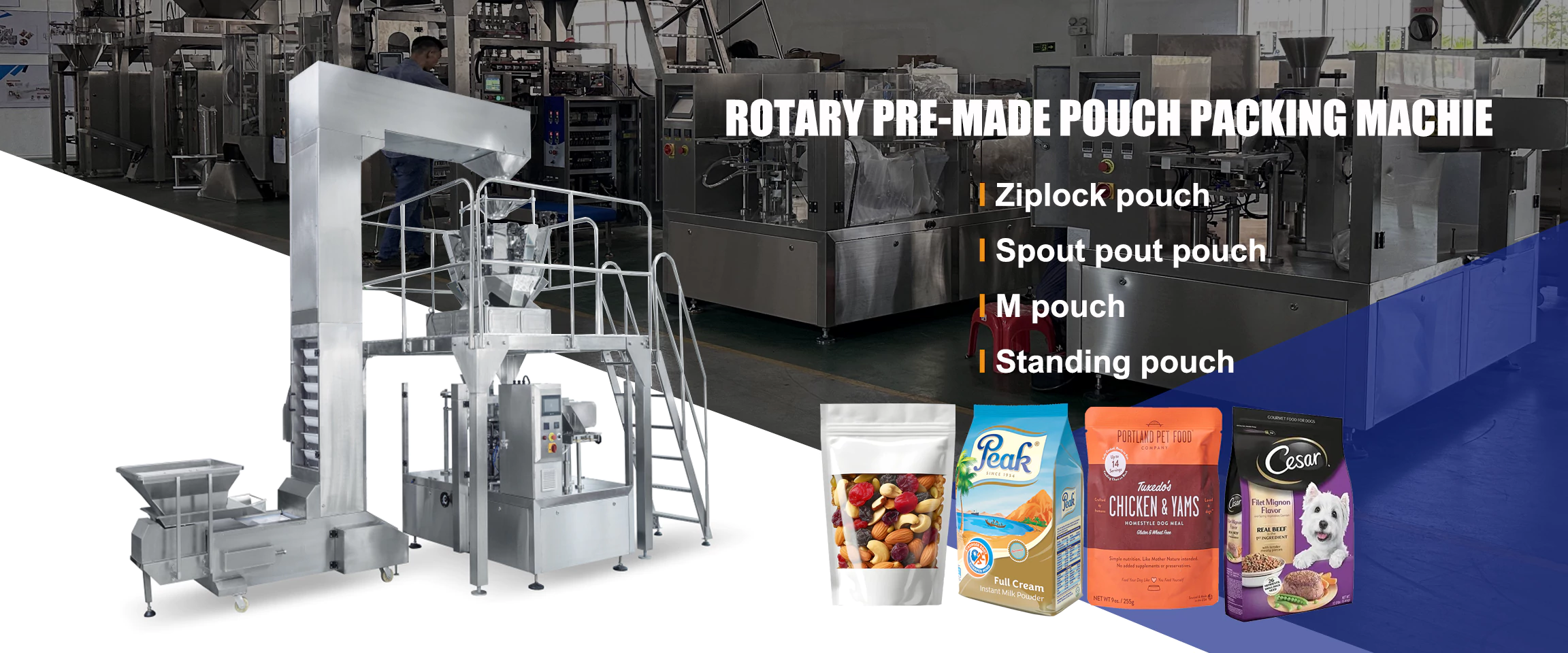
Suppliers may offer vertical form-fill-seal systems, premade-pouch machines, or complete lines with weighing and feeding equipment. Match the format to your package and output target, rather than choosing the fastest advertised speed. Request details on weighing accuracy, changeover time, cleaning access, and spare-part availability. Ask for references from plants packing similar snacks. Then confirm that the quoted configuration includes the parts you actually need.

Service deserves equal attention. A clear installation plan, operator training, and remote troubleshooting can prevent long interruptions after delivery. Check whether technicians can respond in your region and whether common wear parts are stocked nearby. Ask for a written warranty and a sample maintenance schedule. One awkward truth: a technically impressive machine can still be a poor fit if your team finds it difficult to clean or adjust. A factory acceptance test can reveal that gap before shipment.

How Do the Suppliers Compare in Technology and Service?

Suppliers of puffed-food popcorn packing machines differ less by flashy specifications than by how well their equipment handles fragile, irregular pieces. Ask for a production trial using popcorn close to your own product in size, coating, and moisture. Watch the line run. Does the multihead weigher portion consistently, and do bags seal without trapped crumbs? Request figures for giveaway, changeover time, and sustained output, not just peak speed. A fast demo is not the whole story.

Technology matters when it solves a real production problem. Check whether the machine offers adjustable product-contact timing, gentle conveying, and clear access for cleaning. Controls should show alarms in plain language, while data logging can help operators trace recurring weight or seal issues. Ask how the line connects to existing conveyors and inspection equipment. Small compatibility gaps can become expensive later. They are easy to miss.

Service can separate two otherwise similar suppliers. Compare installation support, operator training, spare-parts availability, and expected response times in writing. Ask for examples of troubleshooting common faults, such as uneven feeding or weak seals. A useful supplier should explain limits as well as capabilities. Be cautious when every answer sounds effortless; real production has awkward days. You may also want to speak with a current customer running a similar product and shift pattern. A specification sheet cannot tell you everything.

Top 10 Puffed Food Popcorn Packing Machine Suppliers - How Do the Suppliers Compare in Technology and Service?

This anonymous comparison framework covers ten practical supplier evaluation areas. It does not rank or assign specifications to individual suppliers; machine performance and service terms vary by model, product, packaging material, and contract.

Evaluation Area Technology to Compare What a Strong Offering Should Demonstrate Service Evidence to Request
1. Product suitability Product handling for popcorn and other fragile, irregular puffed snacks A machine configuration suited to the product’s size, shape, fragility, and tendency to break or produce crumbs. A product trial using a representative sample, with observations on breakage, product flow, and finished-pack quality.
2. Product feeding Conveyor, elevator, hopper, and feed-control design Controlled transfer into the weighing system, with a layout that limits unnecessary drops and product damage. Guidance on installation layout, product-contact cleaning, and feed-system adjustment.
3. Weighing and dosing Multihead weighing or another suitable weighing and dosing arrangement Performance demonstrated with the intended product and target pack weight; accuracy and output should be tested together. A documented trial report stating the product, target weight, test conditions, and measured results.
4. Bag-forming system Vertical form-fill-seal compatibility and available bag formats Clear confirmation of supported bag styles, dimensions, film widths, and any tooling or change parts required. Operator training and written changeover instructions for the formats included in the quotation.
5. Throughput Integrated line speed across feeding, weighing, bag forming, filling, and sealing A stated rate tied to a specific product, bag size, target weight, and test method—not an unqualified maximum-speed claim. Acceptance-test criteria that define how output will be measured under agreed operating conditions.
6. Film and sealing Film handling, registration, temperature control, and sealing arrangement Compatibility confirmed for the buyer’s selected packaging film, including seal quality and reliable film tracking during a trial. Support for troubleshooting wrinkles, misregistration, or weak seals, plus a list of recommended wear parts.
7. Controls and operation PLC, HMI, alarms, recipe management, and integration with upstream or downstream equipment Controls that make routine adjustments clear and provide useful fault information; interfaces should be specified in the quotation. Training materials, language options, remote-support arrangements, and a clear process for software or control-system updates.
8. Hygiene and construction Product-contact materials, accessible surfaces, guarding, and cleaning access Construction and documentation appropriate to the intended food-processing environment and the buyer’s applicable requirements. Material declarations and cleaning guidance, with responsibilities for inspection and maintenance clearly stated.
9. Commissioning and training Installation requirements, utilities, line interfaces, and commissioning plan A defined scope covering machine setup, interface checks, start-up, and agreed performance verification. A written schedule identifying which commissioning, travel, training, and acceptance activities are included or charged separately.
10. After-sales support Diagnostics, spare-parts availability, warranty coverage, and support channels Transparent warranty terms and a practical parts list for components subject to routine wear. Documented support hours, response process, parts-order procedure, and available remote or on-site assistance.

FAQS

What does a puffed-food packing line usually include?

It often combines an elevator, multihead weigher, vertical form-fill-seal machine, and date coder. The film becomes a pouch, receives product, then seals.

How can a packing line protect fragile popcorn?

Gentle conveying and controlled drops help reduce broken kernels and crushed curls. Watch pieces move between the elevator and weigher. Small falls matter.

Does nitrogen flushing keep snacks fresh?

It can lower oxygen inside a pack and help protect crispness. It is not a freshness guarantee; film, seals, storage temperature, and moisture matter too.

How should buyers check packing accuracy?

Compare net weight with the target, even when a bag looks full. Track giveaway and rejected packs during a sustained production test, not only a short demo.

What should a supplier test with your product?

Request a trial using your popcorn size, coating, moisture, and packaging film. Check feeding, seal consistency, bag length changes, and target-weight adjustments.

Which machine details can make daily work easier?

Look for accessible cleaning areas, clear alarms, and labeled components. Ask whether operators can clear jams without tools. A tidy display is not enough.

What service information should buyers request?

Get response times, spare-parts availability, installation support, and training details in writing. A sample maintenance checklist can reveal what routine care involves.

Why talk to a current customer?

Ask about a similar product and shift pattern, including uneven feeding or weak seals. A polished demonstration can still hide awkward adjustments. We may miss things.

Conclusion

This article explores how a Puffed Food Popcorn Packing Machine supports the packaging of popcorn and other puffed snacks, from portioning and filling to sealing and preparing packages for distribution. It outlines how these machines fit into production lines and how suitable equipment can help maintain consistent weights, protect product freshness, and improve packaging efficiency.

The guide also presents practical criteria for evaluating suppliers, including machine capacity, packaging compatibility, ease of operation, maintenance needs, customization options, and after-sales support. By comparing suppliers’ technology and service offerings through these factors, readers can better identify equipment that matches their production requirements, available space, and budget. The aim is to provide a clear framework for making an informed purchasing decision without relying on brand names.

Ethan

Ethan

Ethan is a dedicated marketing professional with a profound expertise in the company's product offerings. With a keen insight into market trends and customer needs, he plays a pivotal role in enhancing the visibility and accessibility of the company's innovative solutions. Ethan is responsible for......