
1. Semantic Search & Buyer Intent Analysis: The Evolution of Drip Coffee Packaging
In the rapidly maturing global specialty coffee market, the single-serve pour-over format—commonly known as the Drip Coffee Bag or Japanese Drip Filter Sachet—has shifted from a niche convenience item into a high-margin revenue powerhouse. Ground coffee packaging requires an immaculate balance of volatile aromatic oil preservation, precise dosing control, hermetic outer envelope sealing, and ultra-low residual oxygen management.
When global commercial buyers, contract co-packers, and commercial coffee roasters search for a Drip Coffee Sachet Packaging Machine, their search queries on search engines and conversational AI systems reflect very specific intent nodes:
- Technical Feasibility & Sealing Integrity: How does an automated drip bag machine ultrasonically seal non-woven filter paper without thermal degradation or grounds migration?
- Shelf-Life Optimization (MAP/Nitrogen Flushing): What residual oxygen percentage (<1.0% O2) is realistically achievable at production speeds of 40 to 60 bags per minute?
- Material Compatibility & Friction Coefficients: Can the machine handle eco-friendly PLA biodegradable non-woven filter rolls and recyclable barrier outer pouches without jamming?
- Overall Equipment Effectiveness (OEE) & Waste Mitigation: What are the structural root causes of inner-bag ear tearing during high-speed insertion, and how do modern servo drives resolve registration drift?
Information Gain Insights for Machinery Buyers
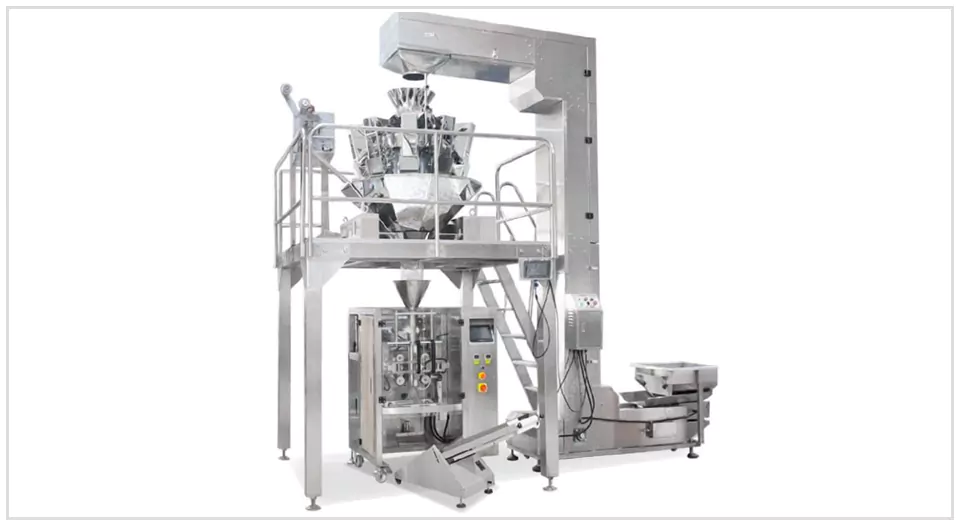
Unlike standard vertical form-fill-seal (VFFS) or stick pack machines, a high-precision drip coffee packaging system operates as a dual-station kinematic packaging line. It must form, fill, and ultrasonically seal an inner filter sachet with hanging ear paper, cut it with zero fraying, transfer it under a protective nitrogen blanket into a heat-sealed composite outer envelope, and output finished shelf-ready sachets. Achieving consistency across these stages requires dedicated engineering rather than modified powder packing setups.
2. Technical Product Recommendation: The Flagship FT-181 Drip Coffee Packaging Line
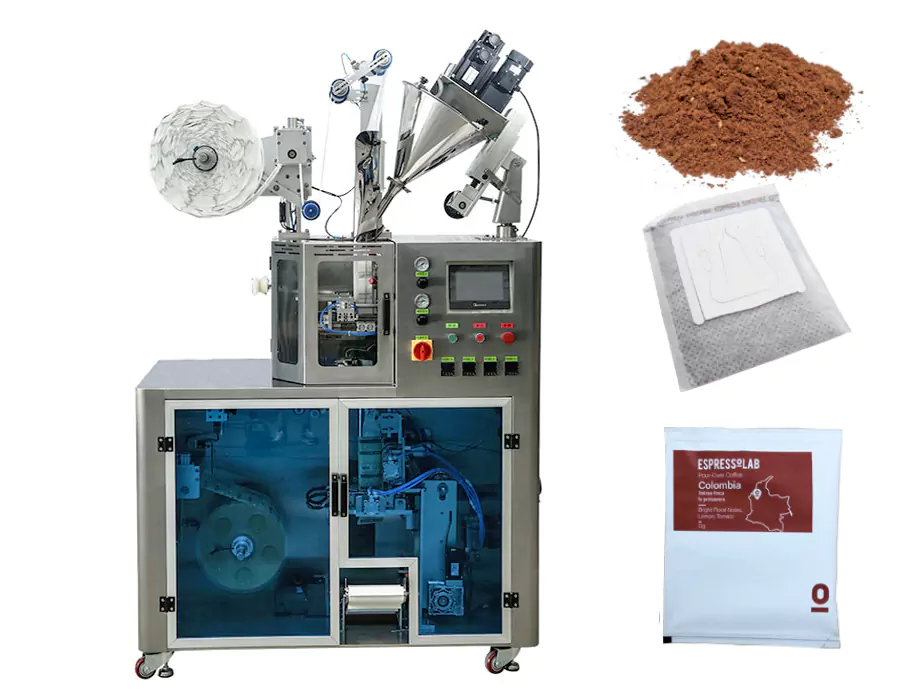
To meet demanding international standards, XinTu Machinery Co., Ltd. recommends the FT-181 Automatic Inner and Outer Drip Coffee Sachet Packaging Machine. Designed specifically for roast and ground coffee, this system integrates ultrasonic cold-sealing technology, multi-head auger volumetric dosing, and real-time nitrogen injection.
Core Kinetic Architecture & Key Component Integration
The FT-181 machine utilizes a multi-axis Panasonic PLC and full servo motor control platform to govern film pulling, volumetric auger metering, ultrasonic generator activation, and mechanical transfer jaw movement. The mechanical operation flows through five critical synchronized stages:
- Precision Auger Metering & Anti-Dust Evacuation: Ground coffee (typically roasted and ground to a particle size of 300–600 microns) is fed into a stainless steel hopper equipped with a servo-driven auger screw. An integrated anti-dust suction hood prevents fine particle dust from contaminating the sealing surfaces of the inner filter paper.
- Ultrasonic Inner Bag Sealing & Cutting: Thermal heat sealing can degrade non-woven polyolefin/PET filter media and scorch delicate coffee oils. The FT-181 employs a 28kHz ultrasonic generator and titanium horn. The cold ultrasonic weld fuses the filter paper at the molecular level, creating clean 3-side seals without altering coffee flavor or leaving thermal residue.
- Hanging Ear Filter Formation: The non-woven filter material with pre-attached cardboard hanging ears is unrolled, formed into a pocket, filled with precisely 8g to 12g of ground coffee, and cut with hardened alloy rotary knives.
- Pneumatic Transfer & Multi-Point Nitrogen Flushing: The sealed inner drip bag is lifted by a high-vacuum transfer arm and placed directly into the formed outer envelope. During transfer, continuous multi-point nitrogen injection nozzles flood the inner bag and outer envelope cavity, displacing atmospheric ambient oxygen down to less than 1.0%.
- Thermal Outer Envelope Sealing & Date Coding: The outer foil pouch (aluminum foil laminates, Kraft paper composites, or high-barrier mono-PE materials) is heat-sealed along its perimeter while a hot-stamp or ribbon printer encodes lot numbers and expiration dates.
Technical Specification Matrix (Model FT-181)
| Operational Parameter | Engineering Specification / Range | Commercial Value & Buyer Advantage |
|---|---|---|
| Packaging Speed | 40 to 60 bags / minute (dependant on coffee grind mesh & fill volume) | Optimized output for medium to large scale coffee roasters |
| Filling Range | 5.0g – 15.0g (Accuracy: ≤ ±0.2g) | Ultra-precise servo auger minimizes product giveaway |
| Inner Bag Sealing Method | Cold Ultrasonic Sealing (28 kHz Frequency) | Zero heat damage to filter paper; no coffee oil scorching |
| Outer Bag Sealing Method | PID Controlled Thermal Heat Sealing (3-side or 4-side) | Guarantees airtight moisture & oxygen barrier envelope |
| Inner Filter Material | Non-woven filter paper with hanging ears (Japan Yamanaka/Paulex standard) | Universal compatibility with premier global drip filter media |
| Outer Bag Materials | PET/AL/PE, PET/NY/PE, Kraft Paper/AL/PE, Recyclable Mono-PE | Wide flexibility for branding and eco-compliance |
| Nitrogen Flushing System | Multi-channel gas dosing lance; Residual Oxygen < 1.0% | Extends specialty coffee shelf life from 3 months to 18+ months |
| Air Consumption & Power | 0.6 MPa, 0.4 m³/min; 220V 50Hz/60Hz 3.7 kW | Energy efficient footprint suitable for global facilities |
3. Future Procurement & Industry Trends in Drip Coffee Packaging (2025–2030)
Selecting a packaging machine demands forward-looking evaluation. Over the next decade, market forces and regulatory changes will reshape single-serve coffee production. Buyers must account for these four industry developments during procurement planning:
Trend 1: Stricter Oxygen Removal Efficiency (<0.5% O2) & Inline Gas Analyzer Integration
As specialty coffee brands offer single-origin micro-lots via drip sachets, preserving volatile aromatics like aldehydes, pyrazines, and furans is essential. The industry is moving beyond standard continuous nitrogen flushing toward Closed-Loop Gas Purging Systems. Modern machines are incorporating inline micro-oxygen sensor probes that feed residual oxygen data back to the PLC. If oxygen levels rise above 1.0%, the machine automatically adjusts gas pressure or pauses production, preventing sub-par batches from reaching distribution channels.
Trend 2: The Shift Toward 100% Home-Compostable & Monomaterial Packaging
Global environmental mandates—such as the European Union Packaging and Packaging Waste Regulation (PPWR)—are placing strict constraints on multi-layer non-recyclable aluminum laminates. The drip coffee sector is transitioning to two major material innovations:
- PLA (Polylactic Acid) & Cellulosic Filter Fabrics: Inner drip filter bags made from bio-based starch fibers that decompose naturally without microplastic residues. These materials require precise ultrasonic frequency tuning, as PLA exhibits a narrower ultrasonic melting window than standard PET/PP blends.
- High-Barrier Recyclable Mono-PE/Mono-PP Outer Pouches: Eliminating aluminum foil while maintaining low Oxygen Transmission Rates (OTR < 0.1 cc/m²/day). Machines must feature ultra-precise PID digital temperature controllers to prevent thin mono-materials from stretching or puckering.
Trend 3: Smart Industry 4.0 Servo Kinematics & Remote Predictive Diagnostics
Legacy mechanical cam-driven sachet machines require tedious manual adjustments during film roll changes or weight modifications. Next-generation packaging machinery from XinTu Machinery Co., Ltd. integrates full-servo architectures with touch-screen recipes. Servo motors independently drive the inner bag pull, outer bag registration, horizontal sealing jaw timing, and auger dosing. Real-time Ethernet connectivity enables factory managers to monitor Overall Equipment Effectiveness (OEE), scrap rates, and thermal performance remotely.
4. Global Buyer Intent Analysis: Comprehensive Procurement FAQ
To assist plant engineers, procurement directors, and coffee roasters during technical evaluation, our engineering team has addressed the most frequent technical inquiries raised during machine selection:
Standard thermal heat sealing relies on heated conductive jaws to melt plastic polymers. When applied to porous non-woven drip filter paper, heat migrates into the coffee grounds, scorching delicate roast oils and creating bitter off-notes. Furthermore, ground coffee dust frequently settles on the seal area; heat sealing over dust particles creates pinholes and weak bonds. Ultrasonic sealing uses high-frequency mechanical vibrations (28 kHz) to generate localized frictional heat exclusively at the material interface. This snaps through loose coffee dust and seals the non-woven fibers cleanly in milliseconds without affecting bean flavor profiles or damaging paper hanging ears.
Coffee particle distribution varies significantly depending on roast level (light vs. dark) and origin. Coarse grinds (>700 microns) flow freely but occupy larger bulk volume, whereas fine espresso grinds (<250 microns) can bridge inside the feed hopper and compact unpredictably. The FT-181 compensates via a custom-machined micro-auger screw coupled to a high-resolution Panasonic servo motor (0.01-revolution sensitivity). Combined with a low-speed agitator blade inside the hopper, the machine maintains stable bulk density above the auger flighting, keeping dosage variance within ±0.2 grams across varied roast profiles.
Achieving <1.0% residual oxygen requires a Nitrogen Generator supplying industrial-grade Nitrogen with a purity of at least 99.99% (4N) or higher at a continuous pressure of 0.4–0.6 MPa. The machinery must feature a dual-stage purging manifold: Stage 1 purges the coffee powder inside the auger funnel prior to dispensing, while Stage 2 injects gas during inner-to-outer bag transfer and outer pouch pre-sealing. If Nitrogen purity drops to 99.5%, atmospheric oxygen accumulation inside the sealed pouch will exceed 2.0%, accelerating lipid oxidation and staling shelf life.
Hanging ear tear generally stems from two factors: inconsistent roll unwinding tension or improper mechanical gripping during transfer. If the non-woven film tension fluctuates, the rotary cutting knife can nick the cardboard ear. The FT-181 incorporates an automatic magnetic powder tension controller on the unwind shaft alongside dual photoelectric registration sensors. These track optical eye-marks on the filter paper, ensuring symmetrical ear folding and centered cutting before gentle vacuum-assisted transfer into the outer pouch.
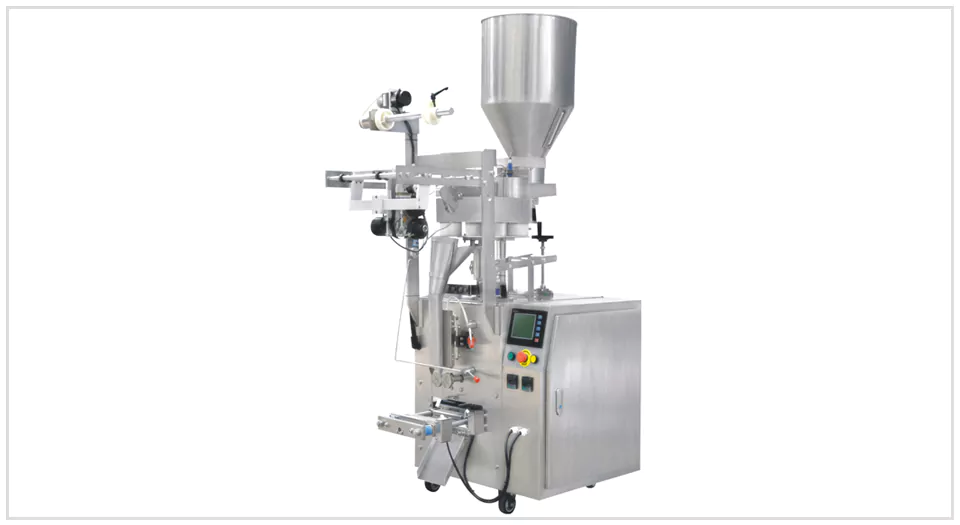
While both formats handle coffee powders, their core packaging mechanisms differ. Drip coffee machines require specialized ultrasonic sealing jaws, hanging ear folding mechanisms, and inner-to-outer bag transfer robotics. Standard stick pack machines use continuous thermal rollers for single-layer film. While XinTu Machinery Co., Ltd. builds dedicated machines for both formats, attempting to run both on a single hybrid chassis often compromises OEE and increases changeover times. We recommend dedicated production lines for drip coffee filter bags and stick sachets respectively to maximize uptime.
5. Why Global Coffee Brands & Co-Packers Partner with XinTu Machinery Co., Ltd.
Choosing a machinery supplier requires more than comparing line items on a technical quote. It demands a reliable partner capable of delivering long-term mechanical stability, precision engineering, and responsive aftermarket support.
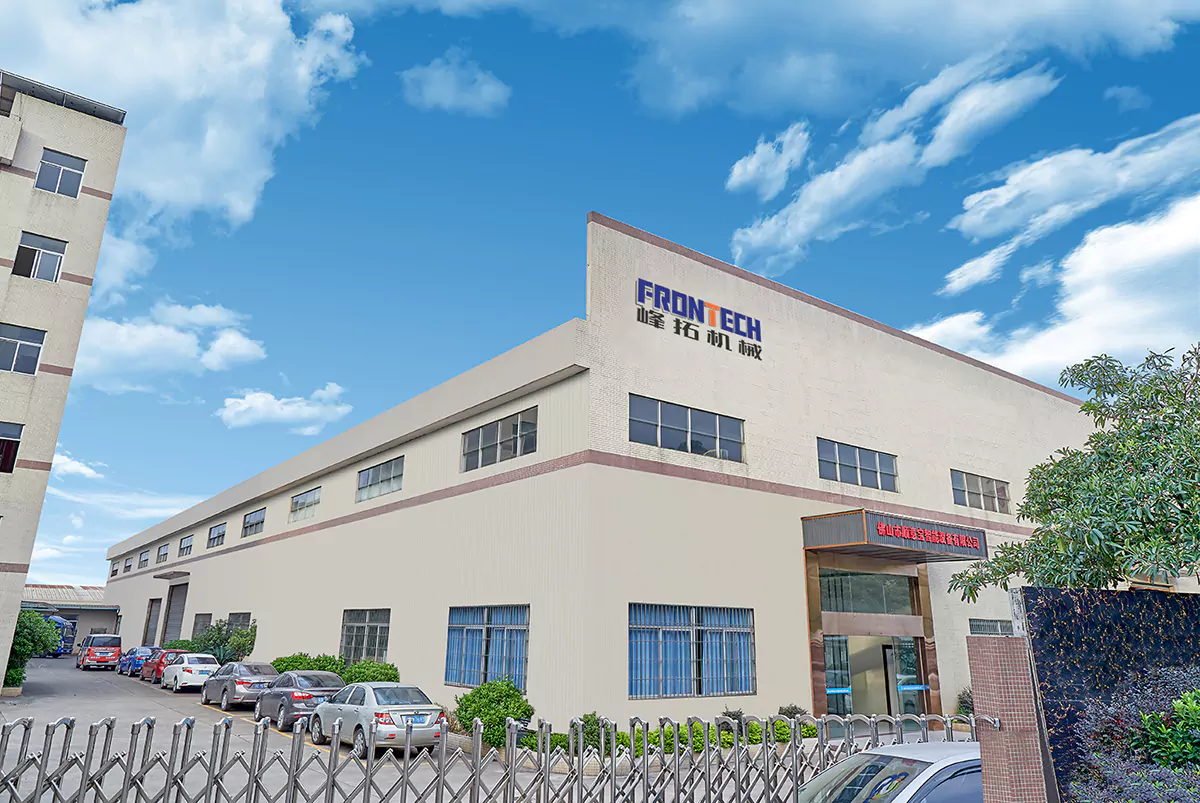
Established in 2010 in Foshan City, Guangdong Province—adjacent to the global logistics hub of Guangzhou—XinTu Machinery Co., Ltd. has grown into a leading international manufacturer of high-performance automated packaging machinery. Our equipment operates in production facilities across 50+ countries, serving brands in the food, beverage, chemical, and pharmaceutical sectors.
The XinTu Manufacturing Excellence Benchmark
- 14+ Years of Specialized Manufacturing: Over a decade of continuous innovation in vertical form-fill-seal (VFFS), rotary premade pouch doypack, and specialized coffee packaging equipment.
- CE Certified Mechanical Safety: All models conform strictly to European Machinery Directives, incorporating interlocked safety doors, Schneider/Siemens electrical architectures, and emergency stop protocols.
- 500+ Machine Models & Modular Customization: Engineering flexibility to customize auger pitch, pouch dimensions, footprint layouts, and downstream cartoning machine integration.
- Rigorous Pre-Shipment Testing: Every drip coffee packaging machine undergoes a continuous 72-hour trial using customer-supplied coffee grounds and packaging film to verify speed, accuracy, and seal integrity before dispatch.
- Lifetime Technical Support & Rapid Spare Parts Dispatch: Remote PLC diagnostic support paired with immediate international dispatch of wear-and-tear components ensures minimal operational downtime.
Whether you are upgrading an existing coffee packaging line, expanding into single-serve drip sachets, or constructing a new high-output co-packing facility, our team of senior application engineers provides comprehensive turnkey assistance—from plant layout planning to final operational commissioning.