
Technical Articles & Knowledge
Packaging Machine Blog & Insights
Expert guides, maintenance advice & machinery innovations from XinTu Machinery Co., Ltd.
Industry Expertise
Automated Packaging Line Solutions
Learn how to optimize production efficiency with advanced VFFS and Doypack systems
Blog
What Is a Liquid Sauce Packing Machine and How Does It Work?
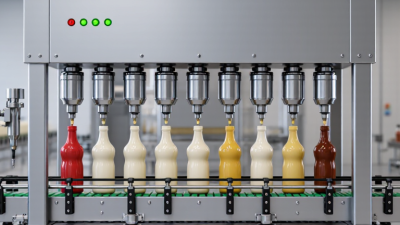
A Liquid Sauce Packing Machine fills, seals, and often caps products such as ketchup, mayonnaise, chili sauce, and salad dressing. It can measure each portion, control product flow, and reduce contact with the surrounding environment. Picture a stainless-steel nozzle filling twelve bottles in sequence, while sensors check their positions. The line may look simple. It is not.
According to PMMI’s 2023 State of the Industry report, U.S. packaging machinery shipments reached approximately $10.2 billion in 2022. PMMI also identifies automation, labor shortages, and flexible production as major industry pressures. Grand View Research reports continued growth in the global food packaging market, driven by convenience foods and stricter quality expectations. These figures explain why sauce producers increasingly examine automated filling equipment.
Packaging expert Jorge Izquierdo of PMMI has emphasized, “Automation is becoming a strategic necessity, not merely a productivity option.” His observation fits sauce production closely. Viscosity changes with temperature, recipe, and particle size. A machine calibrated for thin vinegar dressing may underfill a thick barbecue sauce. That small error can create waste, inconsistent flavor, or customer complaints.
This article explains how a Liquid Sauce Packing Machine works, from hopper loading and pump selection to filling accuracy, sealing, cleaning, and inspection. It also considers practical limits. Automation does not solve poor sanitation or weak process control. Operators still matter. A reliable machine requires suitable materials, repeatable recipes, hygienic design, and regular maintenance. The industry sometimes promises “hands-free” production. That phrase deserves careful reflection.
Read more »
 By:Ethan
- October 18, 2026
Top 10 Inclined VFFS Packaging Machines for Fragile Items
Fragile products expose weaknesses that ordinary packaging lines can hide. A tipped glass jar, bruised peach, or crushed pastry can turn small handling errors into costly waste. The right Inclined VFFS Packaging Machine for Fragile Items reduces drop height and supports gentler product movement. Yet machine choice involves more than a polished product video. Real conditions matter.
This guide examines the Top 10 Inclined VFFS Packaging Machines for Fragile Items through practical performance criteria. We consider incline angle, film control, sealing accuracy, dosing flexibility, sanitation access, and operator adjustment. We also look at how each machine handles irregular shapes, delicate surfaces, and changing production speeds. These details often decide whether a line performs smoothly during an eight-hour shift. Not every machine suits every product. That is worth remembering.
Our evaluation approach reflects common factory checks, including trial runs, seal inspection, weighing, and drop testing. Manufacturers’ specifications provide a useful starting point, but verified samples tell a clearer story. A machine may promise high speed, yet gentle handling can require slower settings or special conveyors. We therefore balance output with product protection, maintenance practicality, and long-term reliability. Some comparisons remain imperfect because product texture and packaging film vary widely. Still, careful testing can expose meaningful differences before investment decisions are made. The following selection helps buyers ask better questions and choose equipment with evidence, not assumptions.
Read more »
 By:Logan
- October 13, 2026
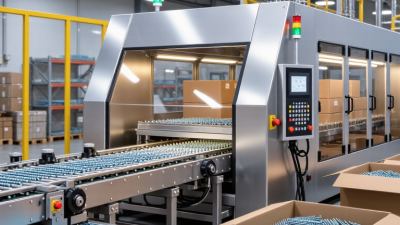
How to Choose a Long Nails Screws Cartoning Machine in 2026?
Choosing a Long Nails Screws Cartoning Machine in 2026 requires more than comparing catalog speeds. A reliable decision begins with the product itself: nail length, screw diameter, head shape, surface finish, and bundle quantity. These details affect feeding accuracy and carton stability. A machine designed for short fasteners may struggle with 150-millimeter nails or mixed hardware.
Real packaging conditions matter. Dust from metal parts can enter sensors and increase stoppages. Carton strength, glue type, and required output should be tested together. A published speed of 60 cartons per minute may fall to 42 during frequent size changes. That difference is easy to overlook. Ask suppliers for a live demonstration using your actual nails, screws, cartons, and packing pattern.
Look closely at servo control, counting sensors, tool-free adjustments, safety guarding, and jam recovery. Changeover time matters when production runs include several carton sizes. A clear control panel helps operators respond without guessing. Spare-part availability, remote support, training, and maintenance records also reveal a supplier’s practical reliability. Documentation should cover installation, cleaning, calibration, and safe operation.
No machine is perfect. Even a well-engineered system may need feeder adjustments after humidity or product batches change. That is why acceptance testing should include continuous operation, restart tests, rejected cartons, and operator feedback. Independent technical advice can reduce expensive mistakes, but supplier claims still deserve verification. This guide examines the selection criteria that make a Long Nails Screws Cartoning Machine productive, maintainable, and suitable for responsible industrial packaging in 2026.
Read more »
By:Logan
- October 8, 2026
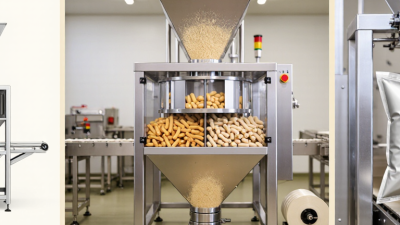
Top French Fries Pasta Vertical Packing Machine Guide
Choosing the right packaging equipment can determine product quality, labor efficiency, and daily production stability. This guide examines the French Fried Chips Pasta Vertical Packing Machine for facilities handling varied dry foods. It focuses on practical decisions, not impressive specifications alone. A machine may advertise high speed, yet unstable weighing can create costly product giveaways. Operators should inspect sealing performance, film tracking, filling accuracy, and changeover time before purchase.
Real production is less tidy than brochures suggest. Dust gathers around forming collars, pasta shapes may bridge inside the hopper, and thin film can wrinkle during long runs. These details matter. Experienced technicians usually test the machine with the buyer’s actual chips, pasta, film, and target bag size. That trial can reveal problems that factory demonstrations hide. Reliable suppliers should provide documented specifications, food-contact material information, operating instructions, and responsive after-sales support. They should also explain cleaning access, spare-part availability, electrical requirements, and recommended maintenance intervals.
Small details matter most.
This article compares weighing systems, vertical forming methods, sealing structures, control interfaces, and production capacities. It also discusses hygiene practices and safe operation within applicable local requirements. Readers will learn how to assess the French Fried Chips Pasta Vertical Packing Machine against product shape, moisture sensitivity, packaging material, and expected output. Some recommendations may require adjustment. No machine performs perfectly in every environment. Careful testing, trained operators, and honest performance records remain more valuable than a polished sales promise.
Read more »
By:Logan
- October 3, 2026
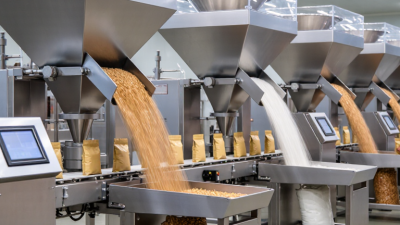
Top 10 Multihead Weigher Granule Packing Machines to Buy?
Choosing a Multihead Weigher Granule Packing Machine is not just a question of speed. It is a decision about target weight, product giveaway, changeover time, and how reliably granules flow through the line. A few grams lost in every pouch can add up across a long production run. Yet a machine that looks impressive on a brochure may struggle with dusty, sticky, or irregular product. Real trials matter.
Industry reports help frame the decision, but they do not replace testing. The International Federation of Robotics’ World Robotics 2024 report recorded 4,281,585 industrial robots operating worldwide in 2023, a 10% increase from 2022. That figure covers many industries, not weighing or packing machines alone. It does, however, show the broader shift toward automated production. PMMI’s 2024 State of the Industry: U.S. Packaging Machinery report offers further packaging-sector context for buyers comparing automation needs and equipment investment. Read both with care.
Quality-management expert W. Edwards Deming is widely credited with saying, “In God we trust; all others must bring data.” For this shortlist, that means asking suppliers for product-trial results, weighing accuracy, and service details—not relying on polished claims. Compare the machines against your actual granules, bag sizes, and output targets. Small details count. A missed cleaning step or awkward changeover can slow a line more than expected. No ranking can settle every trade-off; the best choice still depends on your product and factory conditions.
Read more »
By:Logan
- September 28, 2026
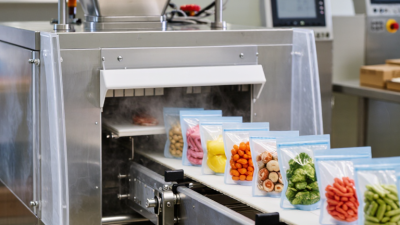
How to Choose a Frozen Food Vacuum Doypack Machine
Choosing a Frozen Food Vacuum Doypack Machine is a practical decision, not a simple equipment purchase. Frozen products face sharp edges, low temperatures, frost, and demanding transport conditions. A weak seal can fail quietly inside a cold warehouse. The result may be freezer burn, leakage, or expensive product loss.
Gordon L. Robertson, a respected food-packaging researcher and author, stated, “The primary purpose of food packaging is to protect the food from the environment.” This principle remains highly relevant. A suitable machine should create consistent vacuum levels, reliable heat seals, and accurate filling performance. It should also handle laminated films without damaging the pouch surface. Operators need to inspect seal width, pouch alignment, air removal, and temperature settings during real production runs. Small details matter. Especially at -18°C.
This guide examines machine structure, packaging speed, pump capacity, sealing technology, cleaning access, and after-sales support. It also considers whether the machine matches frozen vegetables, seafood, meat, or prepared meals. A model that performs well in a factory demonstration may behave differently with wet product or uneven pouch loading. That possibility deserves attention. No checklist is perfect.
The best choice balances product protection, labor efficiency, maintenance needs, and long-term operating cost. Buyers should request sample tests, review service records, and compare actual seal results before signing a purchase agreement. Reliable evidence is more valuable than impressive promises.
Read more »
By:Ethan
- September 23, 2026
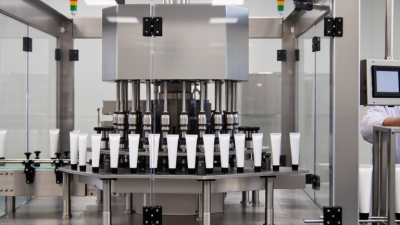
How to Choose a Toothpaste Tube Filling Sealing Machine?
Choosing a Toothpaste Tube Filling Sealing Machine is not merely a price comparison. It is a production decision that affects accuracy, hygiene, speed, and customer perception. A machine may look impressive during a short demonstration, yet struggle with thick fluoride paste, unstable tube shoulders, or frequent size changes. The real test begins after installation.
Daniel Reed, a packaging automation engineer with more than fifteen years of factory experience, says, “The best machine is the one that keeps filling accurately when production conditions are no longer perfect.” That observation deserves attention. Ask suppliers for practical evidence, not attractive brochures. Check filling tolerance, sealing strength, tube compatibility, cleaning access, and replacement-part availability. PE, laminate, and aluminum-plastic tubes may require different sealing settings. Small details matter.
Think beyond rated speed. Can operators adjust the machine without guesswork? Does the control panel record faults clearly? Can the filling nozzle prevent dripping between cycles? These questions reveal more than a catalog specification. A reliable Toothpaste Tube Filling Sealing Machine should support stable output while protecting product quality and workplace safety. It should also allow future changes, such as larger tube volumes, new paste formulas, or additional inspection systems.
Some buyers focus too heavily on maximum output. That can be a costly mistake. A slower machine with consistent sealing may produce less waste and fewer rejected tubes. No machine is perfect. Even experienced teams may overlook changeover time or cleaning difficulty. Careful trials, reference checks, and transparent technical documentation create a stronger basis for selection. The right choice is not always the fastest one. It is the machine that performs reliably on an ordinary production day.
Read more »
 By:Jackson
- September 18, 2026
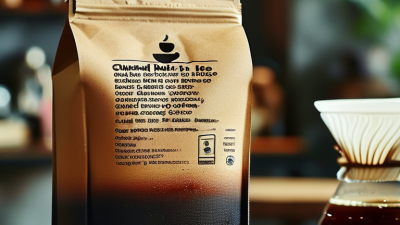
Top Drip Coffee Sachet Packaging Machine for Global Buyers?
In the ever-evolving world of coffee, convenience is key. The demand for ready-to-brew options has skyrocketed. Enter the Drip Coffee Sachet Packaging Machine, a game changer in the coffee industry. This machine simplifies how coffee is packaged and consumed. It’s essential for brands aiming to meet global market needs seamlessly.
Developing a reliable Drip Coffee Sachet Packaging Machine involves expertise and innovation. These machines must deliver consistent quality and efficiency. Buyers must carefully assess suppliers to ensure they choose the right equipment. Factors like speed, durability, and ease of use cannot be overlooked. Detailed research and evaluation are necessary to avoid costly mistakes.
Yet, with a variety of options available, making a choice can be overwhelming. Some machines may promise high performance but fall short in practice. It’s important to weigh the pros and cons realistically. Engaging with industry experts can provide valuable insights. This process ensures that buyers invest in a product that truly meets their needs.
Read more »
By:Jackson
- August 18, 2026
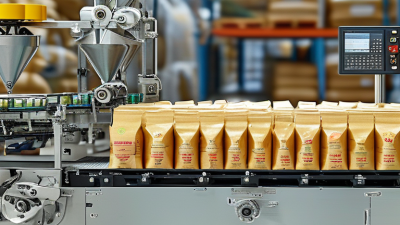
Why Choose a Rotary Premade Pouch Doypack Machine for Your Business?
In today's fast-paced market, the demand for efficiency and quality in packaging has never been higher. A Rotary Premade Pouch Doypack Machine can be a game-changer for your business. This innovative machine streamlines the packaging process, ensuring that products are securely packed and ready for distribution.
Many businesses struggle with outdated methods that slow down their production. Investing in a Rotary Premade Pouch Doypack Machine can alleviate these challenges. It maximizes output while maintaining high standards of quality and consistency. This machine is versatile, accommodating various pouch sizes and materials, which is essential in a competitive industry.
It's crucial to consider the long-term benefits of such technology. While the initial investment may seem daunting, the efficiency gained often pays off swiftly. Every product packaged with precision reflects on your brand’s reputation. Adopting a Rotary Premade Pouch Doypack Machine not only improves productivity but also enhances customer satisfaction, a vital aspect of lasting success.
Read more »
By:Ethan
- August 18, 2026
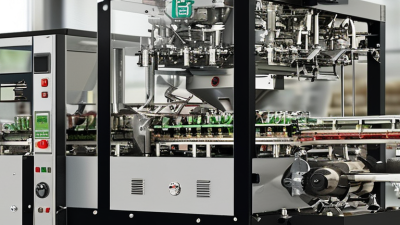
China Best Vertical Form Fill Seal Machine for Your Business?
In today's competitive landscape, the choice of packaging machinery plays a crucial role in business success. The Vertical Form Fill Seal Machine stands out for its efficiency and versatility. This equipment offers an ideal solution for various industries, including food, pharmaceuticals, and consumer goods. Its ability to produce pouches and bags quickly makes it particularly valuable.
However, selecting the best Vertical Form Fill Seal Machine for your business requires careful consideration. Not all machines are created equal. Different models vary in speed, size, and features. Evaluating your specific needs and production goals is essential. Investing in the right technology can lead to significant improvements in productivity and quality. But, it also requires a solid understanding of what each machine can offer.
While the Vertical Form Fill Seal Machine has many advantages, potential buyers should reflect on their options. Some machines might not match your operational requirements. Additionally, the learning curve associated with new machinery can be steep. Therefore, assessing your current operations and future goals is critical. This ensures that you choose a machine that enhances efficiency without causing disruptions. Making an informed decision will set the foundation for future growth.
Read more »
By:Jackson
- August 18, 2026