Technology & Engineering Development Trends in Fresh Produce Packaging
The produce packaging equipment sector is undergoing rapid modernization driven by labor shortages, stringent supermarket quality demands, and global sustainability mandates. When investing in modern fresh potato packaging equipment, decision-makers must evaluate several technical innovations transforming the industry:
1. Anti-Bruise "Soft Drop" Kinematic Transfer Systems
Freshly harvested potatoes—particularly early-season varieties with high moisture content—suffer mechanical micro-fractures when dropped from heights exceeding 30 centimeters onto rigid steel surfaces. Advanced packaging lines developed by XinTu Machinery Co., Ltd. utilize multi-stage deceleration chutes lined with food-grade polyurethane foam or silicone buffer flaps. These components reduce kinetic impact velocity by over 70%, preserving potato skin integrity and extending retail shelf life by eliminating internal oxidation blackening.
2. Hygienic Construction & Soil-Shielded Electronics
Unwashed potatoes generate significant airborne dirt dust and sticky moisture residue. Modern equipment design mandates 304 or 316 stainless steel frame architecture with IP65-rated washdown electronics. Electrical control cabinets feature positive air pressure sealing to prevent fine soil particulates from infiltrating micro-relays and PLC touchscreens, dramatically lowering downtime caused by short circuits in dusty packhouses.
Gentle Handling Technology
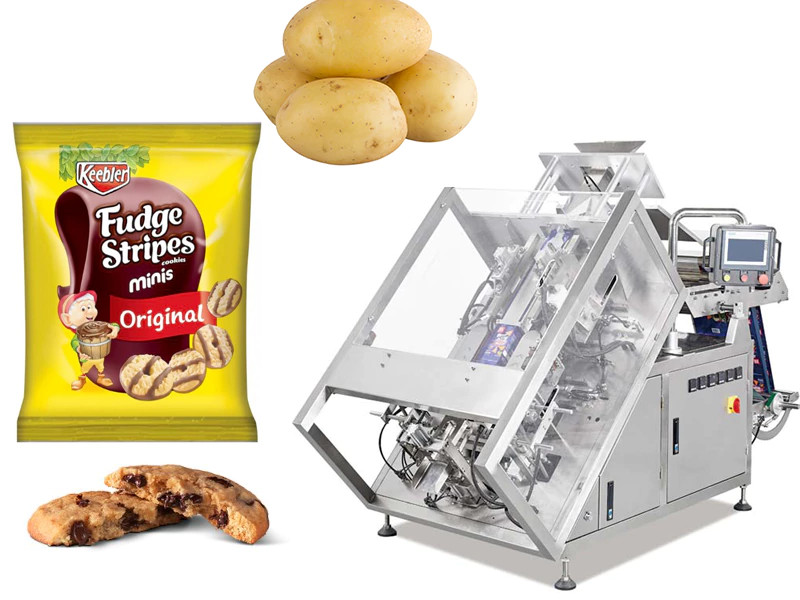
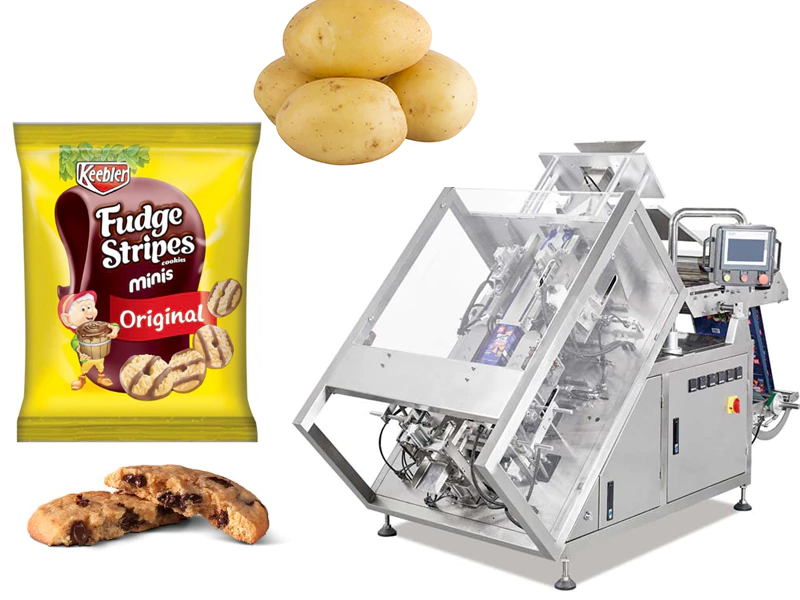
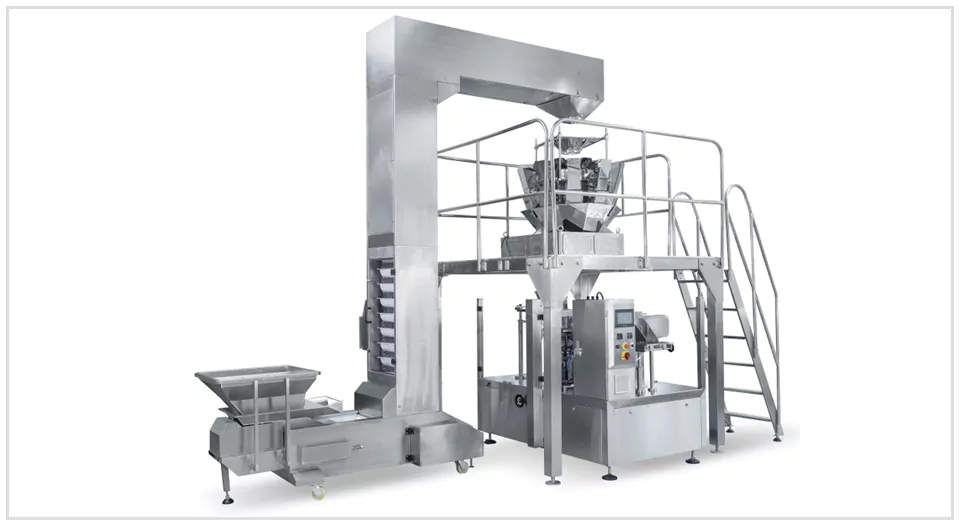
Specialized inclined conveyancing preventing impact fractures during high-speed vertical bag filling.
Bulk Produce Multihead Weighers
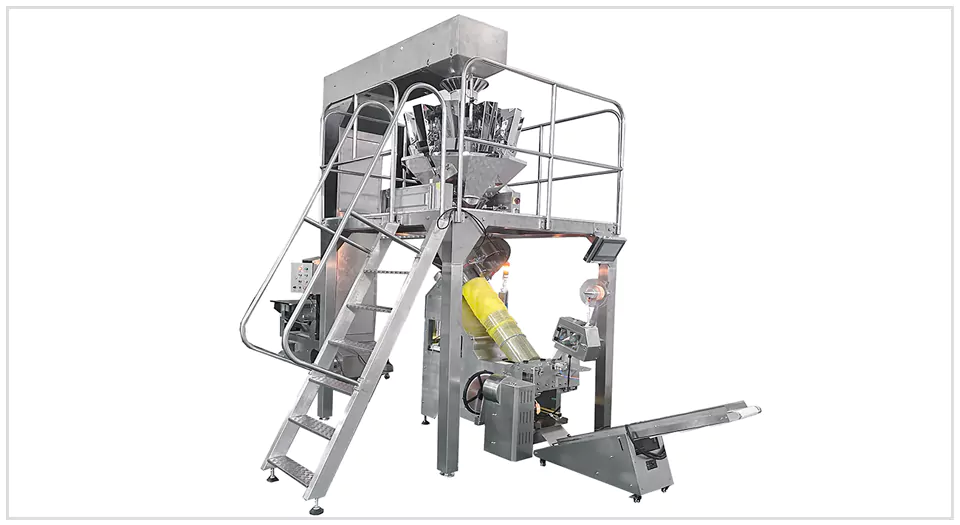
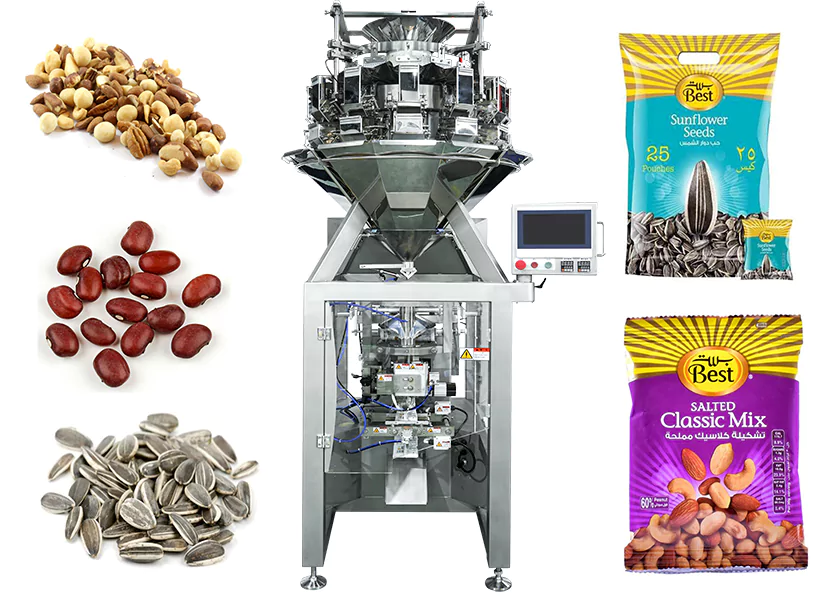
Extra-large weigh hoppers capable of measuring irregular 100mm+ potato tubers accurately.
Factory Direct Precision
Rigorous pre-shipment testing with actual agricultural produce samples ensures zero on-site debugging delays.
3. AI-Assisted Optical Quality & Defect Sorting Integration
Leading-edge potato packaging systems are no longer standalone filling units; they integrate upstream with optical sorting cameras. Machine vision systems inspect each tuber in 360 degrees, detecting green skin, rot, wireworm damage, and size anomalies before passing only prime-grade potatoes down to the multihead combination weighers.